
The Belvedere Museum in Vienna is one of Austria’s most celebrated art institutions, housing a vast and diverse collection that spans centuries of European art. Known for its stunning Baroque architecture and scenic gardens, the museum itself is split into two primary palaces—the Upper and Lower Belvedere—which together create an immersive experience for visitors interested in both art and history. The Belvedere’s collection is extensive, covering medieval, Baroque, and 19th- and 20th-century art, with a particular emphasis on Austrian masters. It is home to world-famous works by Gustav Klimt, including his iconic The Kiss, and serves as a crucial institution for understanding Austrian and European art.
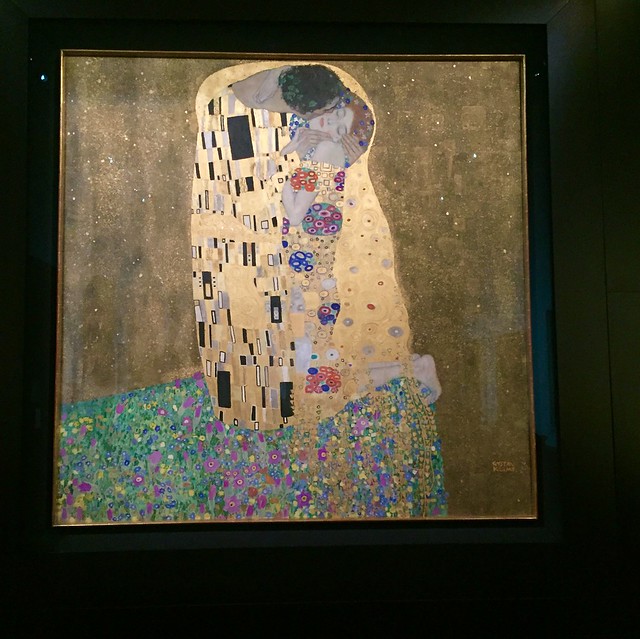
Table of Contents
1. Historical Overview of the Belvedere Museum
The Belvedere Museum complex was built in the early 18th century as the summer residence of Prince Eugene of Savoy, a famed military commander and art enthusiast. Designed by the renowned architect Johann Lucas von Hildebrandt, the complex consists of the Upper Belvedere, Lower Belvedere, and the beautiful Baroque gardens connecting them. This palace ensemble, regarded as a masterpiece of Baroque architecture, was transformed into a public museum in the late 18th century and remains one of Vienna’s cultural jewels to this day. Today, it houses a vast array of artistic treasures spanning nearly a thousand years, from the Middle Ages to contemporary works.
2. The Upper Belvedere
The Upper Belvedere is best known for its vast collection of 19th- and 20th-century Austrian art, with Gustav Klimt, Egon Schiele, and Oskar Kokoschka as some of its central figures. This building serves as a stunning introduction to Austria’s modernist art movement.
Gustav Klimt Collection
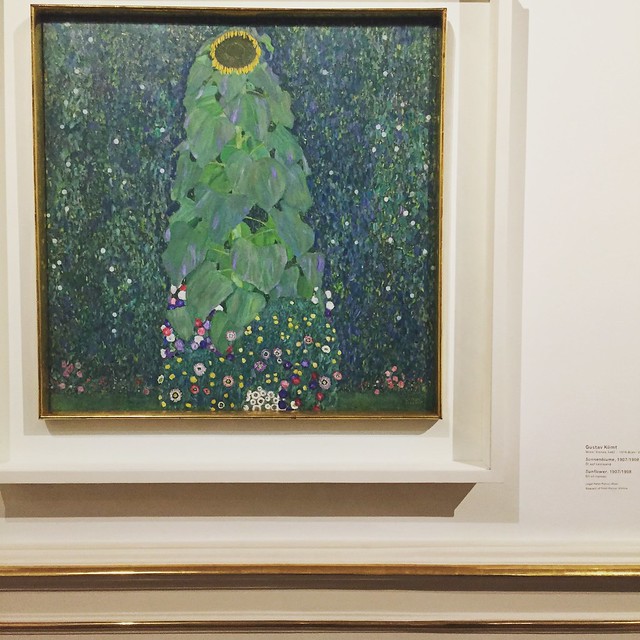
Klimt is one of Austria’s most beloved artists, and his work is well-represented in the Upper Belvedere. The museum houses The Kiss (1907-1908), arguably Klimt’s most famous painting and a prime example of his “Golden Phase.” This work epitomizes Klimt’s use of shimmering gold leaf, intricate patterns, and eroticism, representing a couple locked in an intimate embrace. Beyond The Kiss, the Belvedere also showcases other notable Klimt works, such as Judith and Portrait of Fritza Riedler, which illustrate his evolution from Symbolism to a more personal style characterized by sensuality and psychological depth.
Egon Schiele Collection
The Belvedere is also known for its outstanding collection of works by Egon Schiele, Klimt’s protégé and one of the Expressionist movement’s most radical artists. Schiele’s intensely emotional works, such as The Embrace and Portrait of Wally Neuzil, display his distinctively raw style and exploration of the human condition. His art is often marked by bold, distorted figures, psychological intensity, and a sense of vulnerability, which challenged the social norms of his time and continue to captivate viewers today.
Oskar Kokoschka and Austrian Expressionism
Oskar Kokoschka, another luminary of Austrian Expressionism, is represented in the Belvedere’s collection with powerful portraits and landscapes. His work, which often reflects his turbulent emotional life and his experience of the First World War, is marked by expressive brushstrokes and a focus on the psychological state of his subjects. His painting Bride of the Wind captures the passionate but ultimately tragic love affair he had with Alma Mahler, another iconic figure of Viennese cultural life.
19th-Century Austrian Art
The 19th-century Austrian art collection at the Belvedere includes works from the Romantic period to the Biedermeier period, an era marked by serene domestic scenes and landscapes that emphasized simplicity and order. Friedrich von Amerling’s portraits, for instance, provide a glimpse into the lives and aesthetics of Austria’s aristocratic society, while Ferdinand Georg Waldmüller’s The Rose Giver and The Morning Hour reflect his sensitive depictions of everyday life and nature. The Biedermeier collection also emphasizes the intimate and harmonious qualities of Austrian life during the period, contrasting with the dramatic and intense works that would emerge in the 20th century.
3. The Lower Belvedere
The Lower Belvedere, initially intended as Prince Eugene’s private residence, today hosts exhibitions that often explore Austrian art in a wider European context, bridging early modern works with the Baroque period and leading up to the beginnings of Romanticism.
Baroque Art Collection
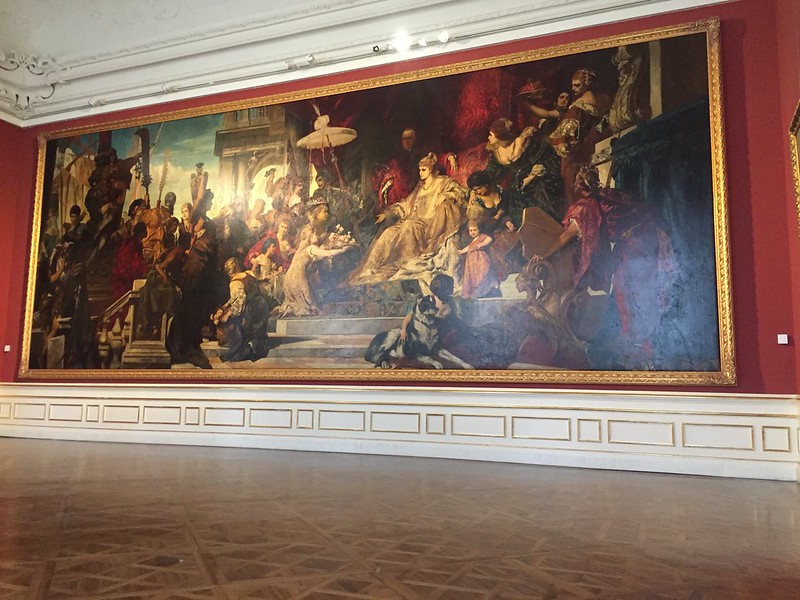
The Baroque collection at the Lower Belvedere is one of the most impressive in Austria, with works by artists such as Johann Michael Rottmayr, Paul Troger, and Franz Anton Maulbertsch. These artists were instrumental in shaping the visual culture of the Austrian Baroque, characterized by dramatic compositions, vibrant colors, and a dynamic interplay between light and shadow. Rottmayr’s Triumph of Virtue over Vice and Maulbertsch’s The Visitation demonstrate the grandeur and emotional intensity that define Baroque painting.
Medieval Art Collection
The Belvedere Museum’s collection extends back even further to the medieval period, with pieces that highlight the importance of religious art in Austrian history. The medieval art collection includes Gothic altar panels, sculptures, and devotional objects, many of which were created for Austria’s churches and cathedrals. Masterpieces such as the Znaim Altar and the Lamentation of Christ provide insight into the techniques and devotional practices of medieval Austria, emphasizing religious themes, detailed iconography, and a rich use of color that aimed to inspire reverence and devotion.
4. Special Highlights and Thematic Exhibitions
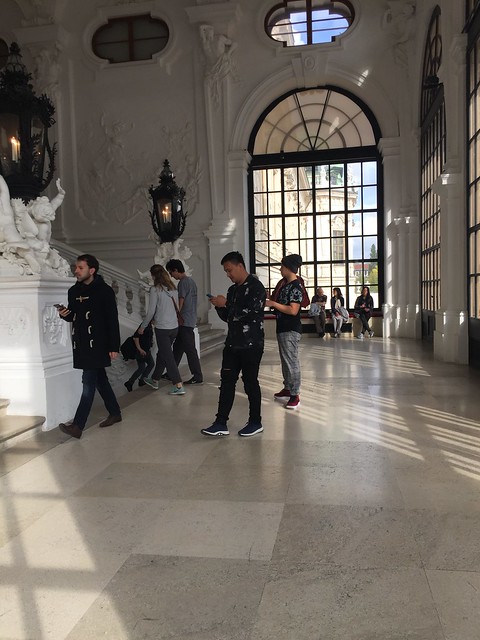
The Belvedere Museum frequently holds thematic exhibitions that delve into specific periods, artistic movements, or particular artists’ careers. These exhibitions not only provide fresh perspectives on well-known works but also introduce visitors to lesser-known pieces from the museum’s vast collection and international loans.
Romanticism and Landscape Painting
The Belvedere Museum offers a remarkable collection of Romantic landscape paintings, with works by artists such as Caspar David Friedrich and Rudolf von Alt. These pieces capture the awe-inspiring power and beauty of nature, a central theme of Romanticism, which reflects the 19th-century fascination with the sublime. Austrian landscapes are also well represented, depicting the country’s majestic mountains, lush valleys, and tranquil rural scenes that have become emblematic of Austrian identity.
Biedermeier Art and Domestic Tranquility
The Belvedere is particularly strong in Biedermeier art, which focuses on themes of domesticity, family, and everyday life. The Biedermeier period, which spanned from 1815 to 1848, saw a shift towards more intimate and personal subject matter, reflecting the middle class’s growing influence. Paintings by artists like Waldmüller and Amerling capture this era’s values, emphasizing stability, peace, and modesty, often in meticulously detailed interiors or idyllic countryside settings.
5. Contemporary Art in the Belvedere 21
Belvedere 21, an extension of the museum complex dedicated to contemporary art, provides a space for exploring the art and culture of the 21st century. Designed by the architect Karl Schwanzer in the 1950s as the Austrian pavilion for the 1958 World’s Fair, this modernist building now houses a collection that includes works by Austrian and international contemporary artists. Belvedere 21’s exhibitions are known for engaging with current social issues and new artistic practices, often exploring the intersection of art with technology, media, and the changing global landscape.

6. The Gardens and Sculptures
The Belvedere’s Baroque gardens, which connect the Upper and Lower Belvedere, are an integral part of the museum experience. Designed by Dominique Girard, a student of the famous French garden architect André Le Nôtre, these gardens are laid out in a terraced format with symmetrical patterns, water features, and sculptures that create a harmonious environment reflecting Baroque ideals of order and beauty. The sculptures scattered throughout the garden include mythological figures and allegorical representations, such as sphinxes, cherubs, and muses, which invite visitors to reflect on the stories and symbols that inspired Baroque art.